Introduction
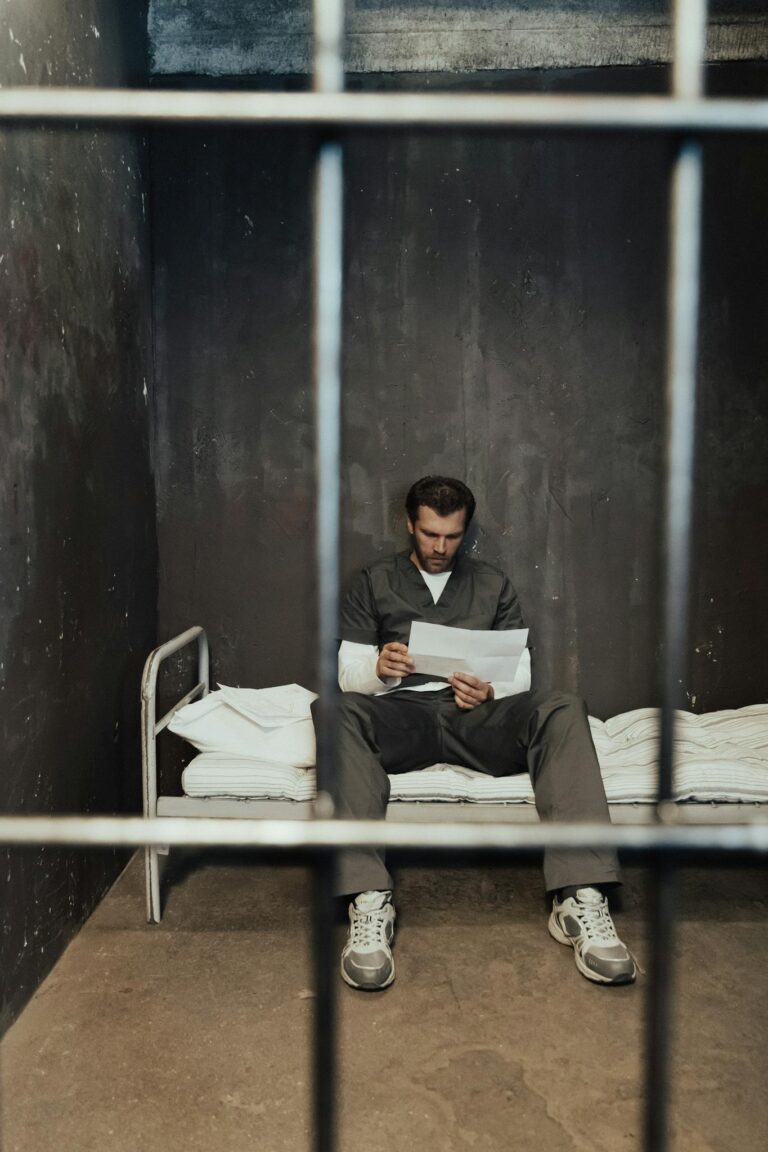
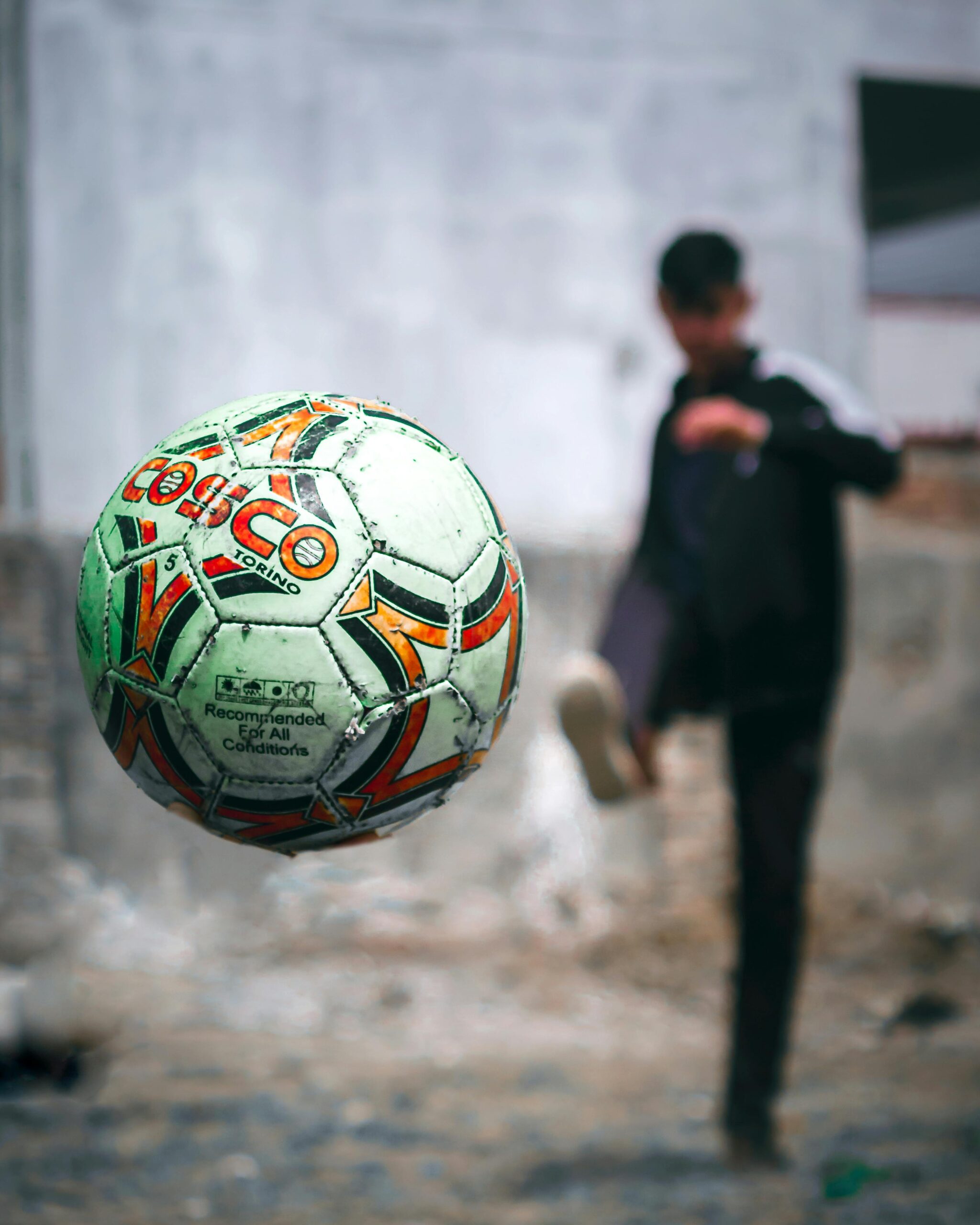
In the rigid, often dehumanizing space of prisons, the idea of play can seem almost absurd. Yet across the world, growing evidence suggests that play; particularly between incarcerated parents and their children, holds transformative potential. While countries like Scotland have institutionalized this through initiatives like the Play in Prisons program in East Ayrshire, India is only beginning to explore this powerful and profoundly humanising tool for rehabilitation, reintegration, and dignity.
Play for restructuring familial bonds:
The Indian prison system currently houses over 5.5 lakh inmates, of which approximately 75% are undertrials (Prison Statistics India, 2021, National Crime Records Bureau).
Among them are thousands of parents, separated from their children not just by walls, but by stigma, bureaucracy, and years of absence.
The emotional rupture caused by incarceration is rarely addressed in our justice systems. Its consequences ripple through families, particularly affecting children, who often face long-term trauma, disrupted schooling, behavioural issues, and even social ostracisation. At such a critical juncture, play can in fact serve as a therapeutic bridge to rebuild ruptured familial bonds.
Lessons From Scotland:
The Play in Prisons model in East Ayrshire, Scotland, demonstrates how this can be done meaningfully. This initiative creates safe, nurturing environments where incarcerated parents can engage with their children through play in an atmosphere free of uniforms, surveillance, or institutional barriers.
The idea is simple but profound: to focus not on the crime, but on the relationship. Play becomes a medium to encourage trust, nurture empathy, and allow parents to reclaim an identity beyond their sentence.
It also allows children to experience their parent as a caregiver and not just a convict.
Implementation in India:
For India, the potential is immense and urgent.
Prisons in India struggle with chronic issues: overcrowding, understaffing, and a system historically more focused on punishment than reformation. Amidst this, one vital need often gets ignored: the wellbeing of children of prisoners. Children aged 0-6 are allowed to live with incarcerated mothers in most cases. However, those growing up outside without consistent or quality access to their parents are often left with a severed connection to an important figure. This severed connection often leads to perpetuating cycles of crime
The National Model Prison Manual (2016) acknowledges the need for creches and educational facilities for such children, but implementation is fragmented and uneven across states.
Most central prisons do have basic infrastructure in the form of open spaces, creches, libraries that could be creatively repurposed for structured, play-based interventions. Several NGOs have introduced creative and educational activities inside prisons, but these remain sporadic and are often not integrated into a formal policy framework.
To make play a sustainable rehabilitative tool in Indian prisons, we need policy-level recognition of its value. This means:
- Training prison staff in child-sensitive practices
- Partnering with organisations experienced in play-based learning and trauma-informed care
- Reframing play not as a luxury, but as a developmental necessity especially for children in such precarious circumstances
When incarcerated parents engage with their children through play, they reconnect with their emotional selves, develop patience, and often find renewed motivation to reform. For children, play offers routine, comfort, and the possibility of building a loving bond under difficult circumstances. It is a far more constructive response than relying solely on prison visits, which are often rushed, emotionally difficult, and fail to create meaningful connection. Structured play enables children to feel like participants in a relationship, not just visitors to a broken one.
Play also supports broader goals embedded within India’s Model Prison Manual, which calls for prisons to be spaces of reformation, not just confinement.
Structured play programs could be integrated into:
Family Visit Days
Open Jail models
Parole-readiness assessments
Such models are not too progressive to implement; they simply require the recognition that, regardless of what we think of those in prison, their children are rights-holders. If we fail to support their emotional and developmental needs, we risk perpetuating cycles of neglect and resentment which are outcomes that ultimately do not serve society either.
Shifting the focus:
Countries like the UK and Norway have already begun shifting prison paradigms by integrating family-based interventions and child-friendly visitation practices. In India, even small steps like structured weekend play sessions, storytelling corners, or supervised play-led bonding can catalyse change.
This isn’t just about making prisons less grim. It’s about making society more just. For many incarcerated individuals, the most compelling reason to embrace rehabilitation is not fear of punishment, but the hope of reuniting with the family waiting for them outside. When we support those familial bonds especially through something as simple and human as play we strengthen the social fabric that makes reintegration possible.
Incarceration in India too often erases the person behind the crime. Play offers a gentle but powerful way to restore the humanity of the prisoner, rebuild the trust of the child, and soften the edges of a harsh system that rarely leaves room for healing.
If justice must heal as much as it punishes, then play may be one of its most overlooked and essential medicines.
References
National Crime Records Bureau (2021). Prison Statistics India.
East Ayrshire Council. (n.d.). Play in Prisons. https://www.east-ayrshire.gov.uk
Ministry of Home Affairs, Government of India. (2016). Model Prison Manual for the Superintendence and Management of Prisons in India.